
Sleep plays an incredibly important role in our lives, having a profound impact on our physical and emotional health. Maintaining a healthy sleep schedule not only helps us feel more alert and energetic, but also strengthens our immunity, increases productivity and improves our mood. In this article, we’ll look at important aspects of healthy sleep, including its importance for children and adults, recommended times and conditions for achieving the best rest, and sleep preparation techniques and nutritional recommendations for improving sleep quality.
Sleep for children and adults: What’s the difference?
Children and adults require different amounts of sleep depending on their age and physiological needs. Newborns and infants require significantly more sleep compared to adults. Typically, newborns sleep between 14 and 17 hours during the day, slowly reducing this time as they grow older. Adults are recommended to sleep on average from 7 to 9 hours a day. This period provides our body with enough time to recover and renew.
Recommended sleep time
The optimal time for sleep may vary depending on individual preferences and circumstances, but there are general guidelines that can help ensure better rest.
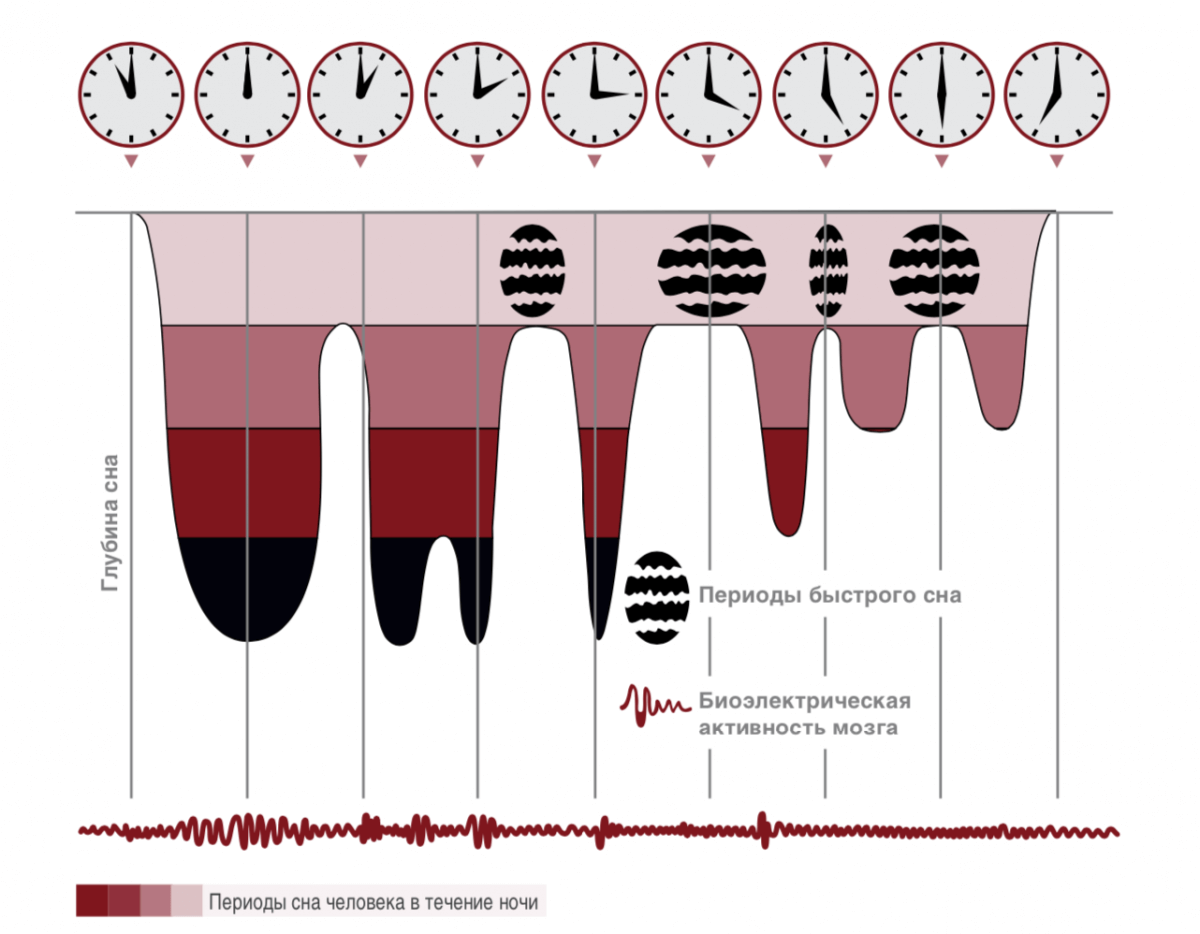
- Bedtime: Experts recommend going to bed about 7-9 hours before your scheduled wake-up time. For example, if you plan to wake up at 7 am, it is better to go to bed between 10 and 11 pm.
- Wake-up time: It is important to strive for a regular sleep schedule, including a wake-up time. Waking up at the same time every day helps regulate the body’s circadian rhythm and improves sleep quality.
- Sleep DurationA different number of hours of sleep is recommended for children depending on their age. The older a person is, the less time he needs to sleep. For adults, it is recommended to sleep 7 to 9 hours a night for optimal recovery.
Desirable sleeping conditions
In addition to determining the right time for sleep, it is also important to
- Room temperature: The ideal temperature for sleeping is usually between 18 and 22 degrees Celsius. A moderately cool room can help improve sleep quality by preventing heat loss and discomfort.
- Ventilate the roomin which you are going to spend the night. Fresh air also affects falling asleep and sound, quality sleep.
- External noise: Avoid noise and other external stimuli that may disturb your sleep. It may be helpful to use white noise or headphones/earplugs for sleep to create a calm atmosphere.
- Relaxing music or mantras will help you put your thoughts in order and prepare for a peaceful sleep.
- Pillow and Bed: Choosing the right pillow and mattress plays a key role in ensuring proper body support and a comfortable sleeping position. Individual preferences may vary, but it is important to select bedding items that will provide optimal support and comfort.
Getting ready for bed: Key tips
Getting ready for bed plays an important role in creating favorable conditions for quality and relaxing rest.
- Establish Be
dtime Rituals: Give your body a signal that bedtime is approaching by creating rituals, such as reading a book, taking a warm bath, or meditating. This will help your brain and body switch into relaxation mode.

- Relaxation Practices: Try relaxation techniques such as deep breathing, yoga, or progressive muscle relaxation to reduce stress and tension before bed.
- Create a comfortable atmosphere: Ensure a quiet and peaceful environment in the bedroom, making sure the lights are dimmed and the room temperature is comfortable for you.
The influence of sports on sleep
Regular physical activity promotes deeper and better quality sleep. Exercise, especially in the morning and afternoon, can help improve sleep quality, reduce the time it takes to fall asleep, and reduce the likelihood of waking up during the night. However, you should avoid intense workouts before bed, as they can increase adrenaline levels and make it difficult to fall asleep.
Massage and bath
- Massage: A relaxing massage before bed can help relieve muscle tension and stress levels, preparing you for deep rest.
- Warm Bath: Taking a warm bath before bed helps relax muscles and reduce stress levels, which can make falling asleep easier and more natural.
Foods and vitamins that promote sleep:
The way you eat before bed can have a significant impact on the quality of your rest.
- Meal Timing: Try not to eat heavy meals 2-3 hours before bed to give your body time to digest. A light snack containing protein and carbohydrates may be bene
ficial.

- Best Foods for Dinner: Choose light and easily digestible foods such as chicken, fish, vegetables, fruits and grains. They may help improve sleep quality.
- Sleep Vitamins: Certain vitamins, such as vitamin D, vitamin B6 and magnesium, can help regulate sleep. Consider taking extra vitamins or talk to your doctor.
- Foods that have a beneficial effect on sleep: bananas, warm tea with honey, mint and lemon balm, warm milk with honey, walnuts and almonds
We also recommend watching a video about healthy sleep from Dr. Komarovsky:
Proper sleep preparation, including creating a comfortable environment, establishing rituals and healthy eating habits, plays an important role in ensuring quality and complete rest. Regular relaxation practices, as well as the use of appropriate bedtime preparation techniques, can help improve the quality of your sleep and ensure healthy results for your body and mind.
Sleep truly plays a key role in our lives, and its importance cannot be overestimated. This article clearly explains why it is important to pay attention to your sleep patterns and create a comfortable environment for rest. It is especially interesting to learn that the amount of sleep changes with age, and this is important to take into account in everyday life. Recommendations on nutrition and sleep preparation are also useful, which can help improve sleep quality. The question arises: how exactly can you change your habits to make the most of these tips in practice?
Thanks for your comment.
I agree, it’s not easy)
But I think there can only be one answer here: “Discipline.” Then it will develop into a habit