Running droshky
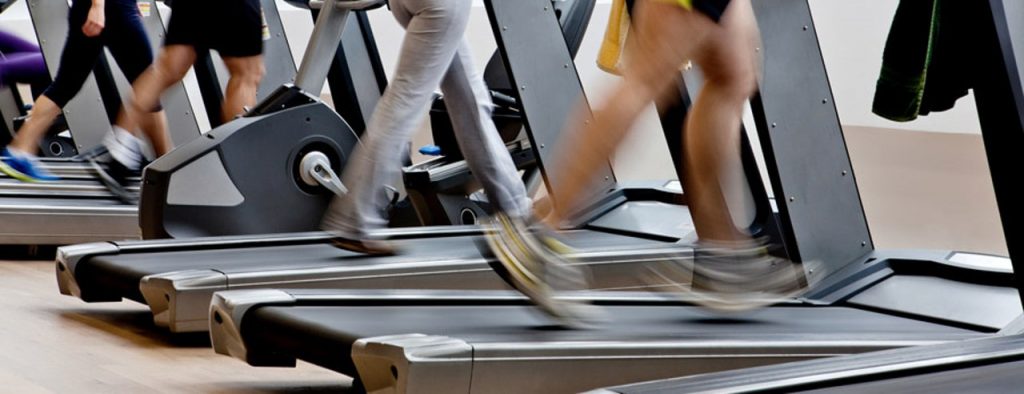
Nowadays, treadmills are found not only in gyms, but also in medical, educational institutions and even at home.
How did the treadmill appear?
What is the essence of a treadmill?
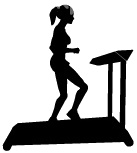
Today, there are 2 main types of treadmills: mechanical (the track belt moves due to pushes from the legs) and electric (driven by an electric motor).
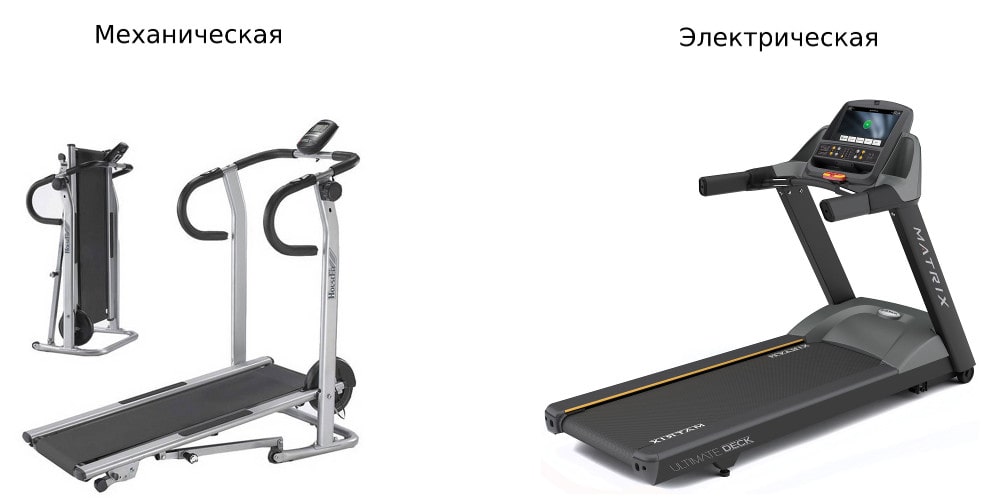
As has already become clear from history, the treadmill is, first of all, a very effective cardio trainer. At the same time, it also helps:
- strengthen the muscles of the back, abdomen and, of course, legs.
- lose excess weight. An hour of intense running burns up to 750 kcal.
- develop the body’s endurance, which means increase energy and improve performance.
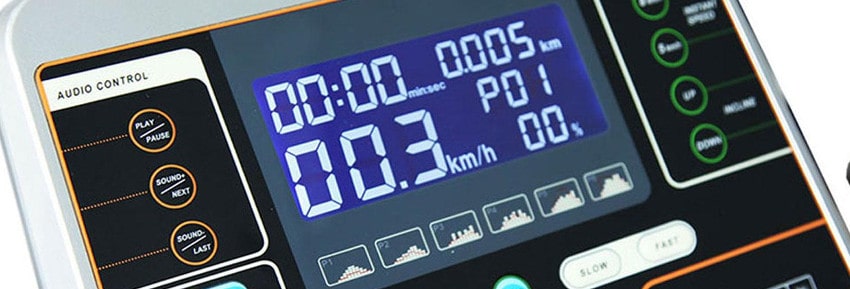
Nowadays treadmills are equipped with a function for counting heart rate and calories burned. They are also equipped with computer programs that regulate speed, distance length, and even “build” obstacles in the form of hilly terrain.
But what about the usual running in nature?It takes place, if only because it has a number of differences from a treadmill: step size, different biomechanics of pushing off the foot and the body’s adaptation to acceleration, different intensity of exercise due to uneven surfaces and weather conditions, running in nature is somewhat harder to do, but also more enjoyable due to the diversity of the landscape.
Comparison of a treadmill, running outside and orbitrek
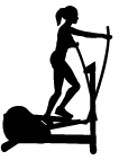
All three types of activities undoubtedly have their pros and cons.This table will help you determine them:
| Comparative characteristics |
Treadmill |
Outdoor running |
Orbitrek (ellipsoid) |
| Cardio | ★★★★★ | ★★★★★ | ★★★★☆ |
| Load on the knee joint and ligaments | ★★★★☆ | ★★★★☆ | ★☆☆☆☆ |
| Feeling of overall load | ★★★★☆ | ★★★★★ | ★★★☆☆ |
| Combining load types | ★★★☆☆ | ★★★☆☆ | ★★★★★ |
| Resistance adjustment | ★★★★★ | ★★★☆☆ | ★★★★★ |
| Change speed, dynamism | ★★★★★ | ★★★★★ | ★★★★☆ |
| Using the back muscles | ★★☆☆☆ | ★★★☆☆ | ★★★★☆ |
| Using arm muscles | ★★☆☆☆ | ★★☆☆☆ | ★★★☆☆ |
| Accounting for biomechanics | ★★★☆☆ | ★★★★★ | ★★★★☆ |
| Upward movement | ✓ | ✓ | ✓ (in expensive models) |
| Running with a load | – | ✓ | ✓ |
| Reverse | – | ✓ | ✓ |
| Changing step length | only in expensive models | ✓ | only in expensive models |
| Approximate energy consumption (kcal/hour) | 800 | 1000 | 600 |
| Weight limit | 150-180 | 180 | 150 |
| Injury hazard | ★★★★☆ | ★★★★☆ | ★☆☆☆☆ |
| Contraindications | ★★★☆☆ | ★★★☆☆ | ★☆☆☆☆ |