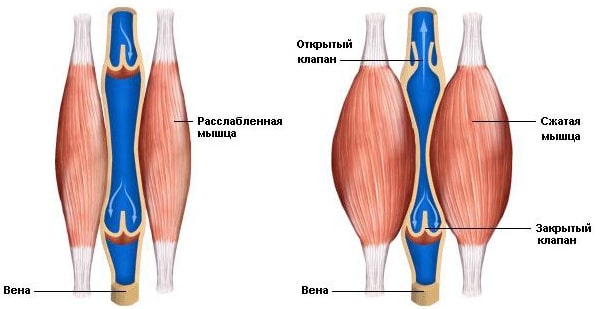
Almost every fourth person gets acquainted withvaricose veins. This disease is characterized by a decrease in the elasticity of the veins anddisruption of the venous valvesresponsible for the uniform passage of blood through the veins. As a result, blood stagnates and puts pressure on the veins. The veins dilate, thicken and form nodules.The list of reasons for the appearance of varicose veins can safely include:
- genetic predisposition
- hormonal disorders
- pregnancy
- frequent nervous tension, stress, depression,
- inflammatory diseases of the genitourinary area and intestinal problems,
- overweight
- insufficient or excessive physical activity,
- flat feet
- wearing uncomfortable shoes and tight clothing,
- injuries, inflammatory and vascular diseases.
Beginning varicose veins can be hidden behind:
- swelling of the legs after a long stay in a sitting or standing position
- numbness of the legs or cramps in them,
- heaviness, pain, discomfort, burning, feeling of “twisting” in the legs,
- vascular or venous network emerging under the skin of the legs.
If you notice the appearance of such symptoms, it is better not to delay a visit to a phlebologist. Varicose veins are very insidious, because…affects the entire circulatory system, which negatively affects the functioning of other organs, promotes the formation ofthrombi, which can already be life-threatening.
How to treat varicose veins?
Doctors usually prescribe medications (tablets and ointments), attend various types of gentle massage, and prescribe wearing compression stockings or using an elastic bandage. In extreme cases, scleroplasty is used – non-surgical removal of the affected area of the vein.
Of modern operational methods, endovenous intravascular laser coagulation (EVLC) is considered the most effective. This operation is performed using a laser under local anesthesia and corrects allvenous disorders. Hospitalization is not required for this procedure. In addition to traditional medicine, there are many folk methods. Some of them are approved by doctors. For example, horse chestnut tincture, apple cider vinegar, treatment with leeches.Which method of struggle to choose is a personal matter for everyone. The main thing is not to delay treatment, so as not to progress the disease to the formation of blood clots, trophic ulcers and gangrene.
Is it possible to prevent varicose veins?
Of course! A healthy lifestyle without junk food and habits, a sufficient amount of clean water, and a daily contrast shower will help with this. Do not overload yourself with high temperatures in saunas and carrying heavy objects. But physical activity is necessary. Howevernot all sports activities are useful for varicose veins.
Exercises for varicose veins
It is better to refuse from:
- step aerobics
- various types of jumps
- squats and lunges,
- powerlifting
- bodybuilding and strength training,
- diving
- football
- volleyball and basketball
- horse,
- kayak and motorsports,
- callanetics,
- snowboarding
- intense running,
- martial arts,
- using the exercise bike.
Vein health will be:
- swimming
- water aerobics,
- non-intensive types of walking (including skiing),
- easy jogging,
- cycling
- golf
- yoga, qigong,
- Pilates,
- shaping
- stretching without using statics.
The most common exercises that can be performed at home will have a good effect on your health:
- “bicycle”,
- birch shoulder blade
- “scissors”,
- swing your legs from a position lying on your back or standing on all fours,
- “bridge”,
- walking on toes
- rolling the foot from heel to toe and back.
Before any type of exercise, do not forget to consult your doctor and calculate the optimal load.Be healthy!
[…] blood thinning, which reduces the risk of stagnation, blood clots, blockage […]